
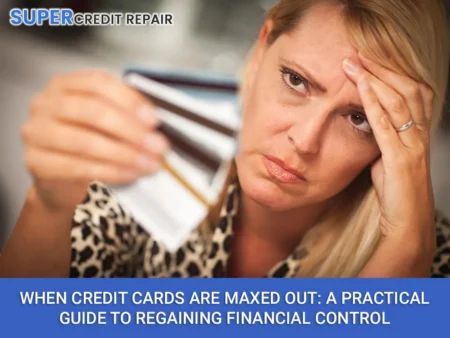
 Many individuals find themselves in a cycle of rising balances and increasing stress. When credit cards reach their limits, and only minimum payments seem manageable, financial pressure can escalate quickly. In Clearwater, where many residents seek professional credit repair to improve their financial standing, understanding the next steps becomes essential for restoring stability and confidence.
Maxed-out credit cards do not simply affect monthly budgets. They influence credit scores, borrowing capacity, and overall financial flexibility. Recognizing the consequences and taking structured action can prevent further damage and pave the way toward recovery.
Understanding the Impact of Maxed-Out Credit
One of the most important things that can affect your credit score is how much credit you use. Lenders see this as a sign of financial trouble when balances approach or exceed available limits. Even if you pay on time, high utilization can lower your scores and make it less likely that you will be approved for credit in the future.
The situation gets even worse because of interest. Minimum payments usually cover only interest charges, so the principal balance remains largely unchanged. This process ends up costing a lot more than the original price over time.
Mental stress is another important factor. Uncertainty about money affects how people make decisions, how productive they are, and how happy they are overall. Taking action to fix credit problems is beneficial for both your financial and personal health.
Evaluating Your Financial Position
The first step to getting better is to fully understand your current obligations. This means checking the balances, interest rates, and minimum payments on all accounts. Creating a full financial picture shows where money is going and which accounts need attention right away.
It is also important to look at your budget. Finding areas where you can spend it freely lets you move money around to pay off debt. When done consistently, small changes can make a big difference.
Good financial planning is based on being open and keeping records. Without accurate data, plans don’t have a clear goal or a way to hold people accountable.
Developing a Structured Repayment Strategy
Maintaining organization and adhering to your plan are crucial for effective debt management. Putting high-interest accounts first lowers the total amount of interest paid over time. This method, often called the interest-focused approach, speeds up the process of reducing the balance.
Talking to your creditors may also help. Some lenders have programs for temporary hardship, lower interest rates, or longer payment terms. Being open and honest shows that you are responsible and may stop your account from getting worse.
If you have a lot of debt, consolidation options can make it easier to pay it off by consolidating your balances into one account at a lower interest rate. However, this method needs careful planning to avoid raising overall costs.
The Role of Professional Credit Support
Self-directed strategies can work, but getting help from a professional can speed up progress. Credit experts review reports, identify errors, and develop plans to improve each person’s situation.
Professional services also help people be responsible and stay on track. Clients benefit from clear deadlines, achievable goals, and expert negotiation help. This part reduces uncertainty and increases the likelihood of long-term improvement.
Education is also crucial. When people understand how credit works, they can make smart choices and avoid repeating the same mistakes.
Frequently Asked Questions About Credit Recovery
Does paying only the minimum payment hurt my credit?
Minimum payments maintain account status but do not significantly reduce balances or improve utilization.
Can high balances affect my ability to rent or buy a home?
Yes. High utilization and low scores influence lending decisions and approval terms.
Should I close maxed-out credit cards?
Closing accounts may reduce available credit and increase utilization ratios.
How long does it take to improve a damaged credit profile?
Improvement timelines vary based on balances, payment history, and corrective actions.
Is professional credit assistance worth the cost?
Professional services often provide faster results and strategic support.
Financial recovery requires discipline, planning, and informed decision-making. For individuals in Clearwater, effective credit repair can lead to better borrowing terms, less stress, and a stronger financial foundation.
Partnering with experienced professionals, such as Super Credit Repair, provides structured support, expert guidance, and proven strategies to restore financial control and confidence.
Picture Credit: Depositphotos