
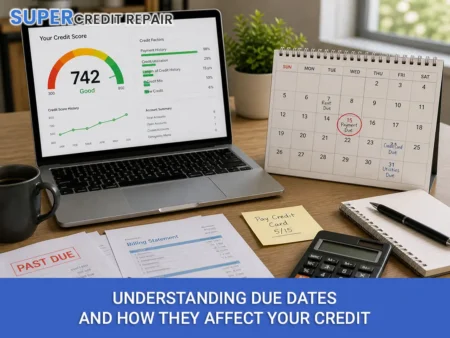
Managing payment schedules plays a direct role in financial stability, especially when it comes to credit repair and maintaining a strong credit score. In Clearwater, FL, we often work with individuals who are surprised by how much a single missed due date can impact their credit profile. Payment timing is one of the most influential factors in how lenders evaluate risk. By understanding how due dates function and how they are reported, we can take control of the habits that shape long-term financial outcomes.
How Payment History Shapes Your Credit Score
Your payment history is a big factor in your credit score. Lenders like to see a positive pattern, and making a payment on time reinforces that pattern every time you do it. And that pattern starts to break down when payments are even a few days late. A payment can be reported to credit bureaus as late after 30 days, which can drag the overall score down.
We often tell people to focus on being consistent rather than perfect. One late payment will stand out, but a series of late payments will create a pattern that’s harder to recover from. Knowing when things are due can help protect the progress made from credit repair efforts.
The Difference Between Due Dates and Grace Periods
Many accounts have a grace period, a short window after the due date during which penalties are not applied. Some people think that any payments they make during this time won’t affect their credit, which can be confusing. A grace period might prevent late fees, but it won’t necessarily prevent negative reporting if you make the payment after the billing cycle.
We suggest that our clients use the real due date as the deadline, without counting on any additional time. This method minimizes the chance of missed payments and helps ensure account activity remains within the parameters lenders expect.
How Late Payments Are Reported
Late payments are typically reported in increments beginning at 30 days late, then 60 days, 90 days, etc. Each stage represents a more serious level of delinquency and will have a greater impact on the credit score. These reports stay on a credit file for several years, even after the account is brought up to date.
We have seen how early intervention can prevent long-term damage. If you miss a payment, you can limit its effect on the report by taking prompt action. Sometimes, talking to creditors can lead to modified reporting, particularly if the account has a positive payment history.
Strategies to Stay Ahead of Due Dates
If you want to keep up a positive payment record, it is best to stay organized. We frequently recommend setting reminders, automating payments, or matching due dates to income schedules. These simple changes can help to reduce the chance of oversight.
Another excellent way is to regularly review your account statements. By doing this, you can identify any changes in due dates and minimum payment amounts. By monitoring account activity, we can respond quickly to any issues that may arise.
The Role of Credit Repair in Addressing Past Late Payments
Credit repair is nothing more than improving your credit profile by correcting mistakes and developing better money habits. You might not be able to completely avoid late payments, but you can minimize their impact over time by paying on time consistently and practicing responsible credit use.
We work with clients to develop strategies that foster continuous improvement. This involves reviewing credit reports, identifying areas of concern, and creating a plan that prioritizes on-time payments. Good activity starts to outweigh past problems, improving the credit score over time.
Frequently Asked Questions
How much can a late payment affect a credit score?
A late payment can lower a credit score by several points, depending on the individual’s credit history and how late the payment becomes.
Do payments made within the grace period affect credit reports?
Payments made within the grace period may avoid fees, but they can still affect reporting if they extend beyond the billing cycle or reporting threshold.
Can credit repair remove late payments from a credit report?
Credit repair may address inaccurate reporting, but valid late payments typically remain on the report until they age off.
What is the best way to avoid missing due dates?
Setting up automatic payments and reminders is one of the most reliable ways to stay consistent with due dates.
Take Control of Your Credit Today
Improving your financial position starts with understanding how due dates influence your credit score and the overall success of credit repair efforts. In Clearwater, FL, we help individuals build better habits that support consistent progress and stronger results. If you are ready to take the next step, we are here to guide you. Contact us today to get started.
Picture Source: AI-generated