
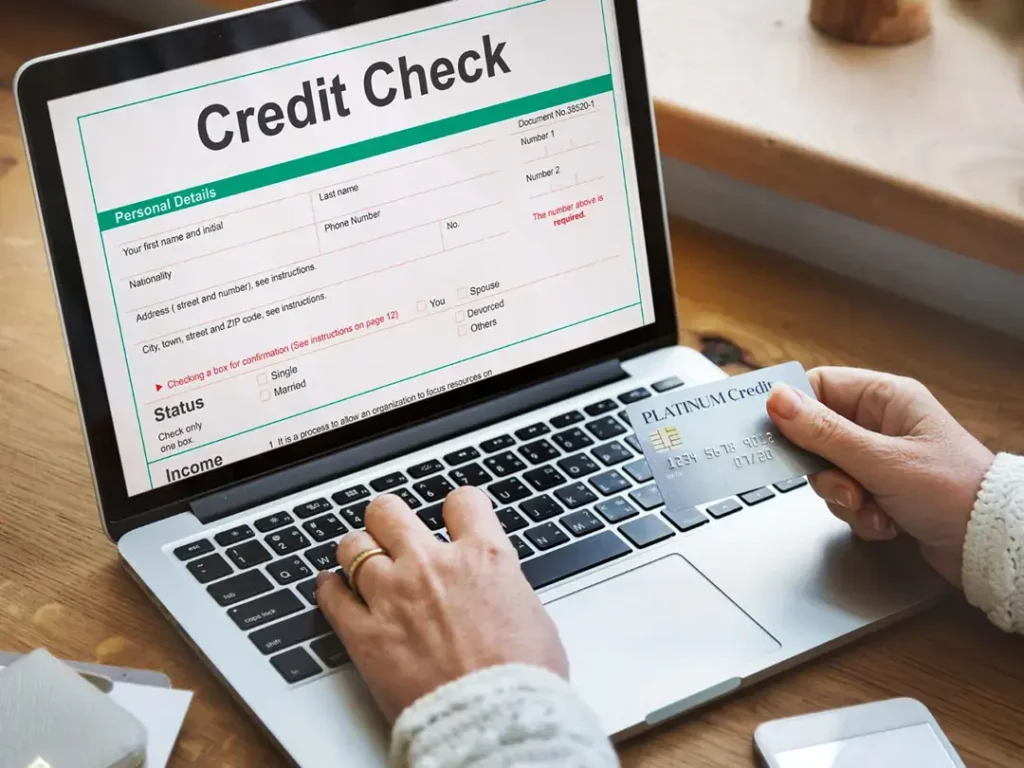
Your credit score travels with you wherever you go and can even determine the rate you pay on a car loan and whether a landlord approves your rental application. Even your insurance rates can be negatively affected by your credit score and, in some cases, whether you get hired for a job. Many of the factors that negatively affect your credit score relate to how payments and credit card utilization affect your report, as well as errors on your report, collections, excessive credit inquiries, and even being a co-signer on a loan.
Here in Florida, the stakes are even higher. Homeowners and auto insurance already cost a lot, and many insurers use credit-based insurance scores, so a lower score can mean higher premiums. For the bigger picture, read our guide on why a good credit score matters.
How Is Your Credit Score Calculated?
Most lenders use FICO scores, which can range from 300 to 850. The FICO score is composed of 5 areas of credit.
- Payment history: about 35%
- Amounts owed (credit utilization): about 30%
- Length of credit history: about 15%
- New credit: about 10%
- Credit mix: about 10%
VantageScore weighs these areas similarly, so good habits help both scores, and myFICO explains each factor in detail.
Which Factors Hurt Your Credit Score the Most?
Late or Missed Payments
Payment history counts for the most in your credit score. Most late payments are reported by the lender after 30 days. One late payment can decrease your credit score sharply. A late payment will remain on your credit report for up to 7 years.
Tip: Make sure minimum payments are paid automatically. If your payment due date is before you get paid, you can usually call your credit card issuer and have the payment date moved. If a hurricane occurs in Tampa Bay and you are unable to make payments, contact your lender as soon as possible to discuss disaster forbearance or a hardship plan.
High Credit Utilization
Credit utilization is the amount of available credit that you use. For example, if you have a credit limit of $1,000 and you owe $100, then your credit utilization would be 10%. However, if you owed $900, then your credit utilization would be 90%, and your creditworthiness would decline.
Keep your overall utilization as well as that of each card low—below 30% is good, below 10% is better. Paying before the statement closing date (as opposed to just the due date) will have you reported with a lower balance to the bureaus.
Errors on Your Credit Report
Mistakes happen more often than people think. You might find an account that is not yours, an on-time payment marked late, or a debt listed twice. We cover other things that can hurt your credit score in a separate post, but errors are among the easiest to fix.
Tip: Pull your free reports from Equifax, Experian, and TransUnion at AnnualCreditReport.com. Free weekly reports are now available permanently. If you spot a mistake, dispute credit report errors online or by mail with each bureau that shows it. Under the Fair Credit Reporting Act, the bureau generally has 30 days to investigate.
Collections, Charge-Offs, and Unpaid Debts
An unpaid bill is written off by a creditor as a loss or sold to a collection agency. Most unpaid rent, utility, phone, and medical bills are reported by collection agencies. They stay on your credit report for 7 years.
Good news on medical debt. Three years of voluntary changes by the three bureaus have come to an end. Paid medical collections and medical collections under $500 will no longer appear on your credit report.
Tip: Verify any debt that a collection agency contacts you about. Insist that the agency verify the debt before you pay it. Be sure that any payment plan or settlement is in writing.
Late Rent Payments
Typically, a landlord does not report your monthly rent payments to the credit bureaus. However, if you fail to pay rent and it is sent to collections, it can negatively impact your credit report and be used against you in a highly competitive Tampa Bay rental market where most property managers pull a credit report for potential renters.
Late with a rent payment? Talk to your landlord as soon as possible. Meanwhile, if you’re a punctual rent payer, consider using a rent reporting service to build your credit score by having your on-time payments recorded and turned into positive credit history.
Too Many Hard Inquiries
Every time you apply for a credit card or loan, the lender will pull a credit report as part of their evaluation. Hard inquiries on your report will remain for up to two years but typically affect your FICO score for 12 months or less. The more applications you submit within a short time frame, the riskier you look to lenders.
Space out new credit card inquiries. Inquiries for mortgages, car loans, and student loans should be done within a short time frame, usually about 14-45 days depending on the credit scoring model. As long as you’re applying for credit that you need, your credit score won’t be hurt by the inquiries. Also, remember that a soft inquiry to check your credit report is free and won’t lower your score.
Closing Old or Zero Balance Credit Cards
Closing a card that you don’t use can have unexpected consequences, including reducing your available credit, causing a spike in your utilization. Additionally, closing your oldest card will, over time, have the effect of reducing your average account age.
Tip: Even if you don’t use a card with no annual fee, it is wise to keep it open. To prevent the card from being closed due to inactivity, make the minimum amount of purchase every 3-4 months.
Co-Signing Loans or Credit Cards
Co-signing is one of the riskiest favors you can do. When you co-sign, you are legally responsible for the whole debt. If the other person pays late, that late payment shows up on your report too. An authorized user, unlike a co-signer, is not responsible for the bill. The Consumer Financial Protection Bureau has more on co-signing risks.
Tip: Only co-sign for a loan if you could pay 100% of the loan back yourself.
Newer Risks: Buy Now, Pay Later and Defaulted Student Loans
These plans may seem too good to pass up, but be advised that some of these companies now report to the credit bureaus just like any late bill. In addition to these types of credit, the growing problem of federal student loans and the damage to credit scores that will occur as a result of defaulted loans being collected again starting in 2025 affect borrowers.
Tip: Track every BNPL plan in one place. If you have federal student loans, log in to StudentAid.gov to check your status and ask about repayment or rehabilitation options.
How Can You Repair a Damaged Credit Score?
The vast majority of credit damage is temporary. Once you understand what is lowering your score, you can begin to address these issues quickly.
- Dispute any errors on your reports.
- Pay down card balances to lower your utilization.
- Catch up on past-due accounts before they go to collections.
- Set up autopay so late payments don’t happen.
If you have been through bankruptcy, our guide on how to improve your credit score after bankruptcy has more steps. You can also try these sneaky ways to improve your credit score.
Professional help makes sense if you have many errors, collectors calling, or debts you cannot manage alone. No one can legally remove accurate negative information, but a good credit repair team in Florida can challenge errors, work with creditors, and help you build a real plan.
Frequently Asked Questions
How long does a late payment stay on my credit report?
Late payments can remain on your credit report for up to 7 years. Most late payments are reported by lenders when the payment is 30+ days late. Even one late payment can severely decrease your credit score. Set up minimum payment autopay to ensure late payments are not missed.
How do I dispute an error on my credit report?
Get your free reports from the three bureaus (Equifax, Experian, and TransUnion) at AnnualCreditReport.com and dispute any errors online or by mail at the bureau(s) that reflect the mistake(s). You have up to 30 days for the bureaus to investigate and verify the accuracy of the information under the Fair Credit Reporting Act. The most common errors are accounts that don’t belong to you, on-time payments reported late, and duplicate debts.
Can a credit repair company remove accurate negative items from my report?
While negative information remains on your credit report for as long as it is accurate, a good credit repair service in Florida will work to identify errors on your report and negotiate with your creditors. At Weller Legal Group, we review your case, go over all of your available options with you in full detail, and will never promise results that we are unable to achieve for you.
Will closing a credit card I never use hurt my credit score?
Yes. Closing the oldest account on your credit report will immediately reduce your available credit and increase your utilization percentage overnight. In addition, closing an older account will shorten your average account age over time. The better practice is to keep old cards with no annual fee open and make a small charge every 2-3 months to keep them active and not closed by the issuer for inactivity.
Get Help With Credit Repair in Florida
Knowing the factors that can hurt your credit score is the first step. At Super Credit Repair, we have more than 20 years of experience helping Florida residents with debt relief and credit repair. We will review your situation, explain your options in plain English, and never promise results we cannot deliver. Schedule a free consultation today.
Picture Credit: Freepik